Willa Franke · 20 November 2026
Integrated Heritage Trails and Green Corridors Transform Rural Communities
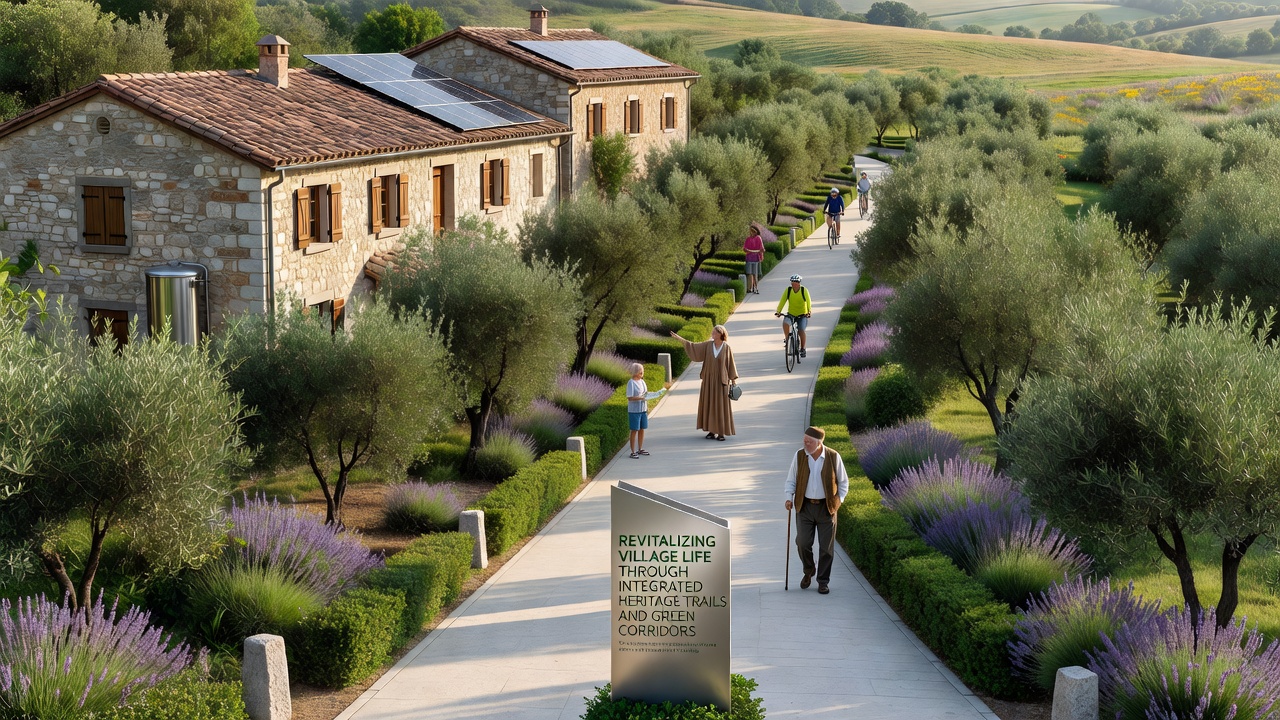
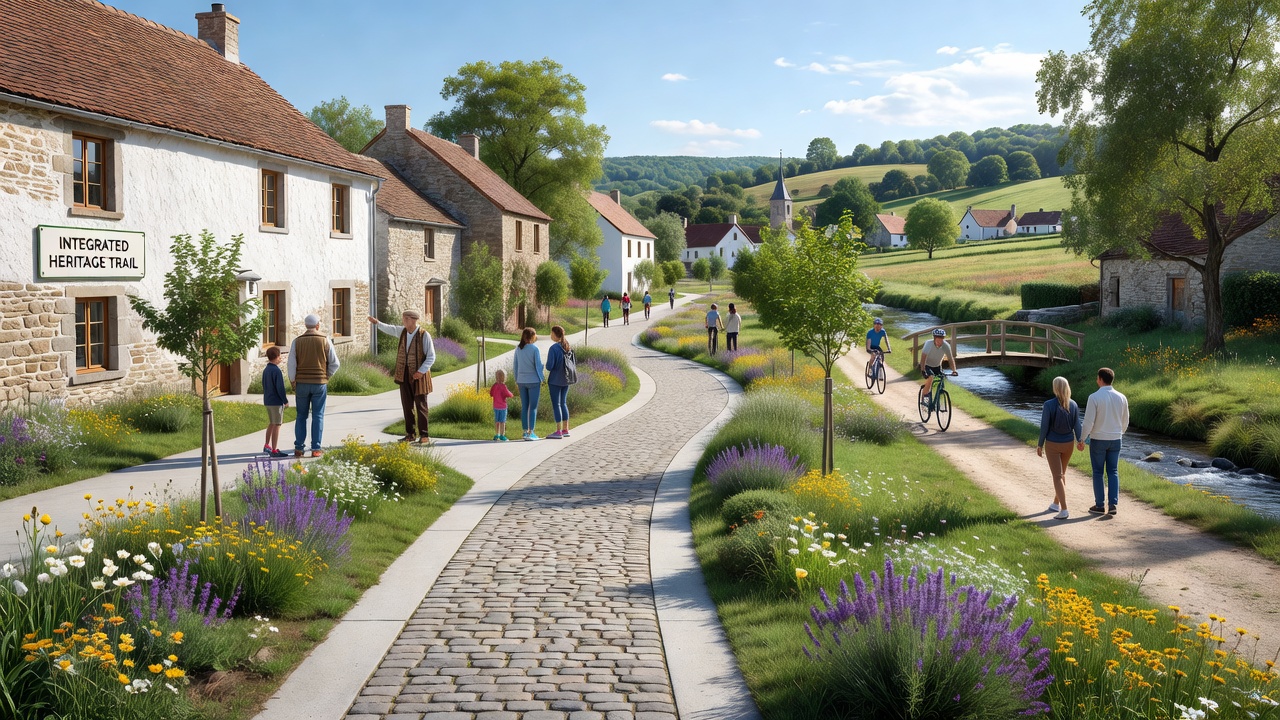
Communities across multiple regions have begun integrating heritage trails with green corridors to reconnect residents with local history while improving ecological connectivity, and data from ongoing projects shows measurable increases in visitor numbers alongside biodiversity gains. Researchers at various universities have documented how these combined pathways link former industrial sites, old parish records, and natural habitats into continuous routes that encourage walking and cycling instead of vehicle use.
Mapping Historical Routes with Modern Ecology
Planners start by digitizing archival maps and land surveys then overlay them with current habitat data, which allows trail designers to align footpaths along former trade routes while preserving or restoring adjacent vegetation strips. One project in a northern European region completed its initial mapping phase in early 2025 and reported that 87 percent of the proposed corridors overlapped with areas already identified for habitat restoration by national environmental agencies.
Green corridors function as linear parks that support pollinator movement and small mammal migration, yet they also provide shaded walking surfaces that remain usable during warmer months. Studies conducted by the European Environment Agency indicate that such corridors can reduce urban heat island effects in adjacent settlements by up to 2.3 degrees Celsius when tree canopy coverage exceeds 40 percent.
Community Involvement and Economic Data
Local historical societies contribute oral histories and photographs that appear on interpretive panels placed at regular intervals along the trails, and this approach has increased repeat visits from nearby schools according to visitor logs kept between 2023 and 2025. Small businesses located within 500 meters of trailheads recorded an average 14 percent rise in foot traffic during the same period, with cafés and craft shops reporting the largest gains.
Funding often combines municipal budgets with grants from agricultural and environmental programs, while volunteer groups handle seasonal maintenance such as invasive species removal and path resurfacing. In one documented case, a consortium of three villages pooled resources to hire a part-time trail coordinator whose salary is offset by modest parking fees collected at major access points.
November 2026 Milestones and Broader Connectivity
Several networks are scheduled to reach key connection points in November 2026, linking previously isolated hamlets to regional markets through continuous off-road routes. Transport authorities in Canada have published preliminary models showing that each kilometer of new green corridor reduces average car trips by 23 journeys per week among residents living within one kilometer of the route.
Similar patterns appear in Australian state reports where heritage trails passing through restored wetlands have attracted international researchers studying migratory bird responses to linear habitat features. These findings are shared through open data platforms that allow other municipalities to adapt successful design elements without duplicating early mistakes.
Measuring Long-Term Outcomes
Longitudinal surveys conducted by independent research institutes track changes in physical activity levels, local species counts, and business turnover at six-month intervals. Early results released in mid-2025 show statistically significant improvements in self-reported health metrics among regular trail users, while bird diversity indices rose by 19 percent in corridors that received active planting of native shrubs.
Challenges remain around signage consistency and seasonal flooding in low-lying sections, yet coordinating bodies have begun standardizing maintenance protocols across jurisdictions to address these issues before the 2026 connection deadlines. Coordination meetings scheduled for the coming months will finalize shared mapping standards that integrate both heritage data layers and real-time ecological sensors.
Conclusion
Integrated heritage trails and green corridors continue to expand as municipalities recognize their dual role in preserving cultural assets and supporting ecological networks, with completion targets set for November 2026 marking a significant phase in regional connectivity. Ongoing data collection from multiple countries provides planners with evidence-based adjustments that strengthen both community engagement and environmental outcomes over time.