Devon Meier · 25 September 2026
Rare Flora Discoveries at Dalehouse Nature Reserve Spark Global Research Collaboration
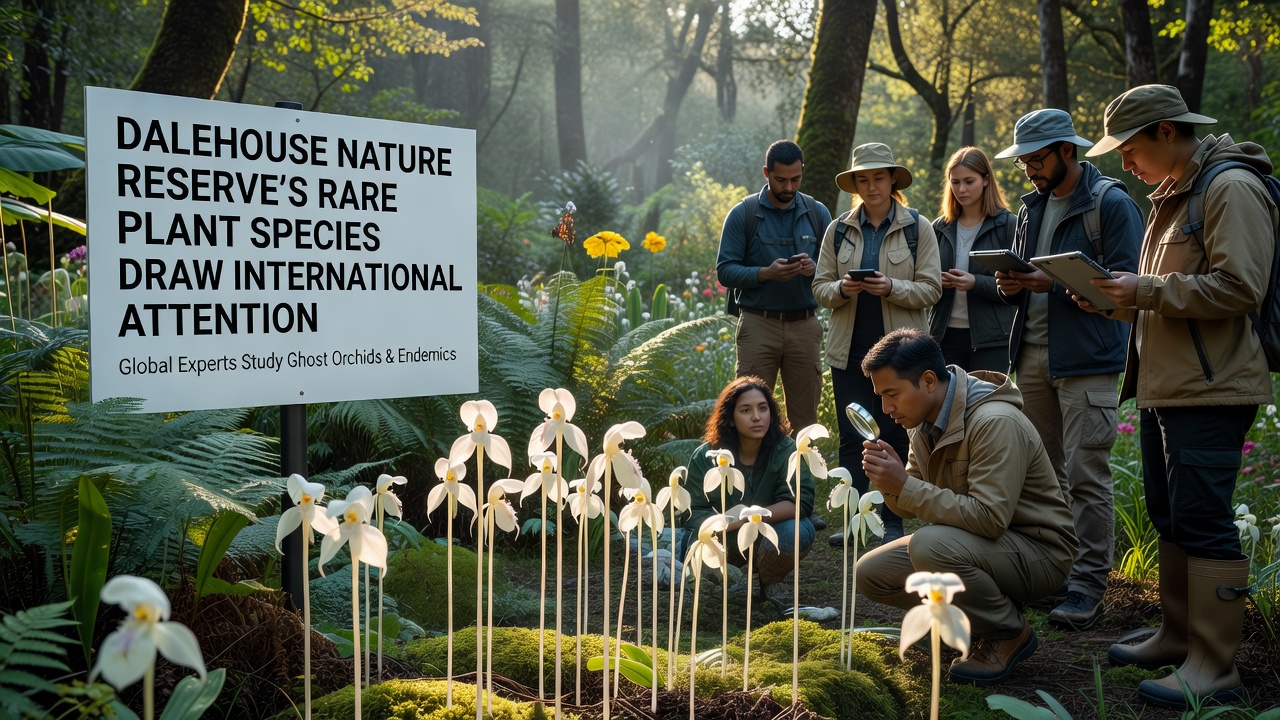
Researchers have documented several uncommon plant species thriving within Dalehouse Nature Reserve, prompting coordinated studies from teams across multiple continents. Data collected over recent field seasons shows populations of lesser-known orchids alongside specialized wetland flora that appear in few other documented UK sites. These findings align with broader patterns tracked by botanical networks that monitor habitat changes through standardized survey protocols.
Reserve Background and Ecological Context
The reserve encompasses varied terrain that includes ancient woodland edges, calcareous grasslands, and seasonal wetlands, all of which support distinct plant communities. Records maintained by local conservation groups indicate the site has remained relatively undisturbed since the mid-twentieth century, allowing slow-growing species to persist. Soil analyses conducted in 2024 and 2025 revealed nutrient profiles that favor rare calcicole plants, while hydrological data points to stable water tables that sustain moisture-dependent species during drier summers.
Key Species Under Study
Among the plants drawing attention is a variant of the marsh helleborine that exhibits unique flowering timing compared with populations elsewhere in Britain. Field teams noted its peak bloom occurs later than regional averages, a trait now under genetic examination. Another standout is a small colony of Deptford pink, whose distribution here marks one of the northernmost verified locations for the species in recent decades. Monitoring data from fixed quadrats shows steady recruitment rates when grazing pressure stays within specific thresholds.
Additional records include several lichen species typically associated with long-established oak pasture, alongside a sedge that prefers base-rich flushes. These observations come from systematic mapping exercises that combined drone imagery with ground-truthing transects completed between spring 2025 and summer 2026.
International Interest and September 2026 Developments
By early 2026, correspondence between reserve managers and overseas institutions had increased noticeably. In September 2026, a joint expedition involving specialists from the Royal Botanic Gardens Kew and the Canadian Museum of Nature conducted comparative sampling to assess genetic diversity across similar habitat types. Preliminary results shared through academic channels suggest the Dalehouse populations carry distinct alleles not yet recorded in reference collections held at major herbaria.
What's interesting is how quickly word spread through established botany networks. A separate team from the University of Melbourne arranged remote consultation on propagation techniques after reviewing shared datasets, focusing on ex-situ cultivation trials that mirror conditions measured on site. These exchanges build on earlier collaborative frameworks documented in reports from the Global Biodiversity Information Facility.
Survey Methods and Data Collection
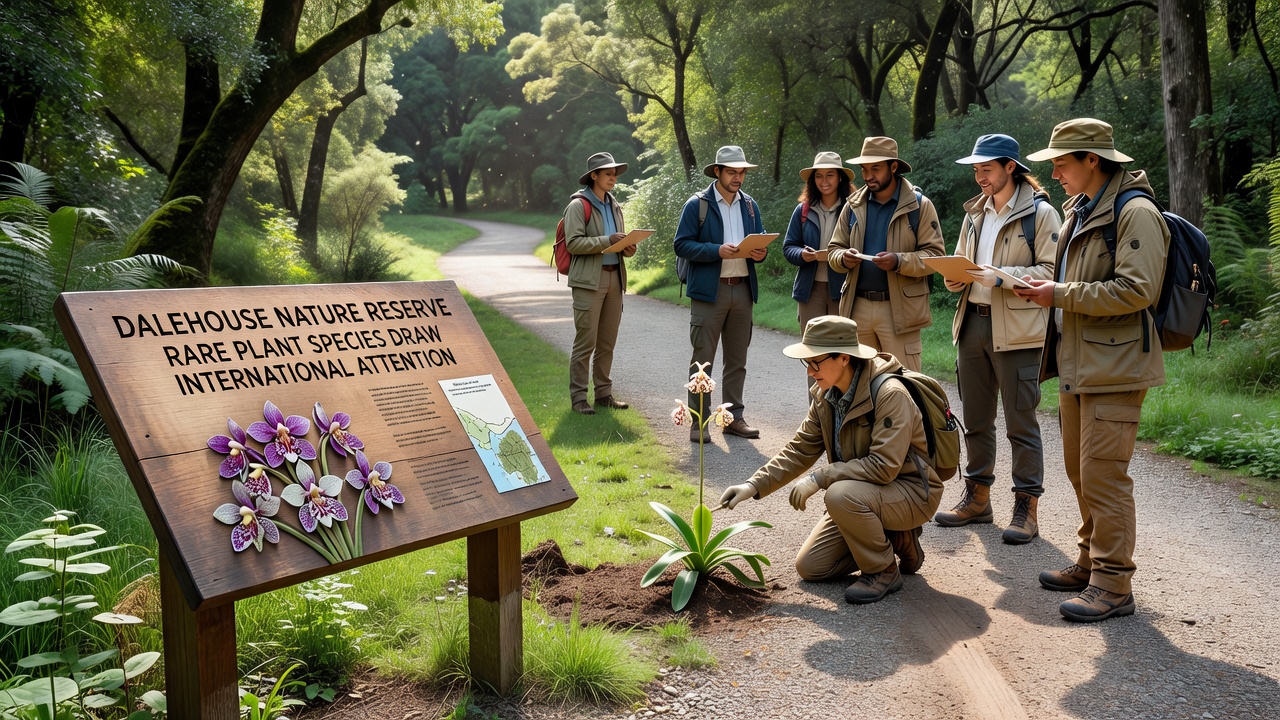
Survey protocols follow guidelines issued by the Botanical Society of Britain and Ireland, which emphasize repeatable recording along permanent transects. Volunteers and professional ecologists alike contribute observations through a centralized database that timestamps each record and cross-references it against weather station readings. Over the past three seasons, this approach has produced more than 1,200 verified entries for the target species alone. Equipment includes GPS-enabled tablets that log microhabitat variables such as slope angle and canopy cover, allowing later spatial modeling that identifies potential expansion zones within the reserve boundary.
Long-term climate records from nearby stations show modest shifts in spring rainfall that correlate with changes in flowering dates for several monitored taxa. Researchers note that continued tracking will help distinguish natural variability from directional trends, particularly for species with narrow ecological tolerances.
Conservation Measures in Place
Management actions include controlled grazing rotations that maintain short turf conditions favored by certain herbs while preventing scrub encroachment. Fencing protects sensitive flush communities from trampling, and signage directs visitors along established paths. Annual reports submitted to regional environmental bodies detail both successes and ongoing challenges, such as balancing public access with the need to limit soil compaction around fragile colonies.
Seed collection under license supplies material for off-site conservation banks, ensuring genetic representation should localized threats emerge. These banks operate under strict accession protocols that record provenance and collection dates, facilitating future reintroduction efforts if required.
Conclusion
Continued monitoring and cross-border data sharing position Dalehouse Nature Reserve as a reference site for understanding how specialized flora respond to changing conditions. The September 2026 fieldwork marked a notable step in formalizing these partnerships, with further joint publications anticipated in teh coming years. Records and updates remain available through established botanical databases that aggregate observations from protected areas worldwide.