Felix Hansen · 23 October 2026
Rediscovered Orchids Spark Fresh Curiosity Among Dalehouse School Science Students
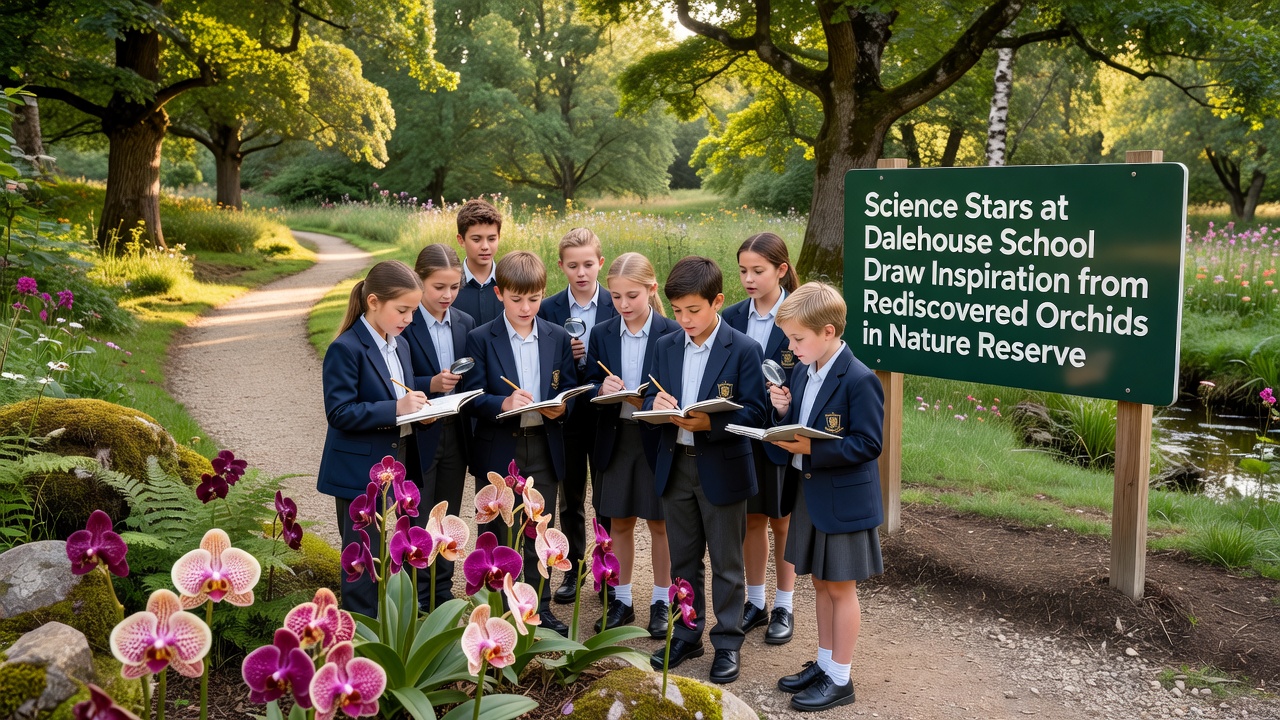
Rediscovered orchid populations at the Dalehouse Nature Reserve have drawn direct attention from science students at Dalehouse School since their identification last spring, and the connection has produced several new research projects that continue through October 2026. Botanists first located the plants along the reserve's eastern boundary during routine surveys, where they had gone unnoticed for decades amid denser undergrowth, and the find prompted immediate collaboration between reserve staff and the school's science department.
Details of the Rediscovery
Researchers documented two distinct orchid species during the initial surveys, both belonging to the genus Dactylorhiza, and genetic analysis confirmed their rarity within the regional flora. Data collected by the reserve team showed that the plants thrive in specific microhabitats with consistent moisture levels, while surrounding areas remain unsuitable due to changes in soil composition over the past century. Those who've studied similar sites note that such rediscoveries often occur when access improves or when targeted searches replace general monitoring.
The school's involvement began when teachers incorporated reserve samples into classroom lessons on plant adaptation, and students then designed experiments to test growth responses under controlled conditions that mirror the reserve environment. Figures from the initial fieldwork reveal that the orchid clusters occupy less than two hectares total, yet they support pollinator activity across a wider radius during peak flowering.
Student Projects and Fieldwork
Year 10 and Year 11 students have taken the lead on several monitoring efforts, including weekly counts of flowering stems and soil pH measurements at marked plots, and these activities form part of their extended project qualifications. One group mapped light availability across the orchid sites using portable sensors, while another tracked temperature fluctuations through data loggers placed at ground level, and both sets of results feed into a shared database maintained by the reserve.
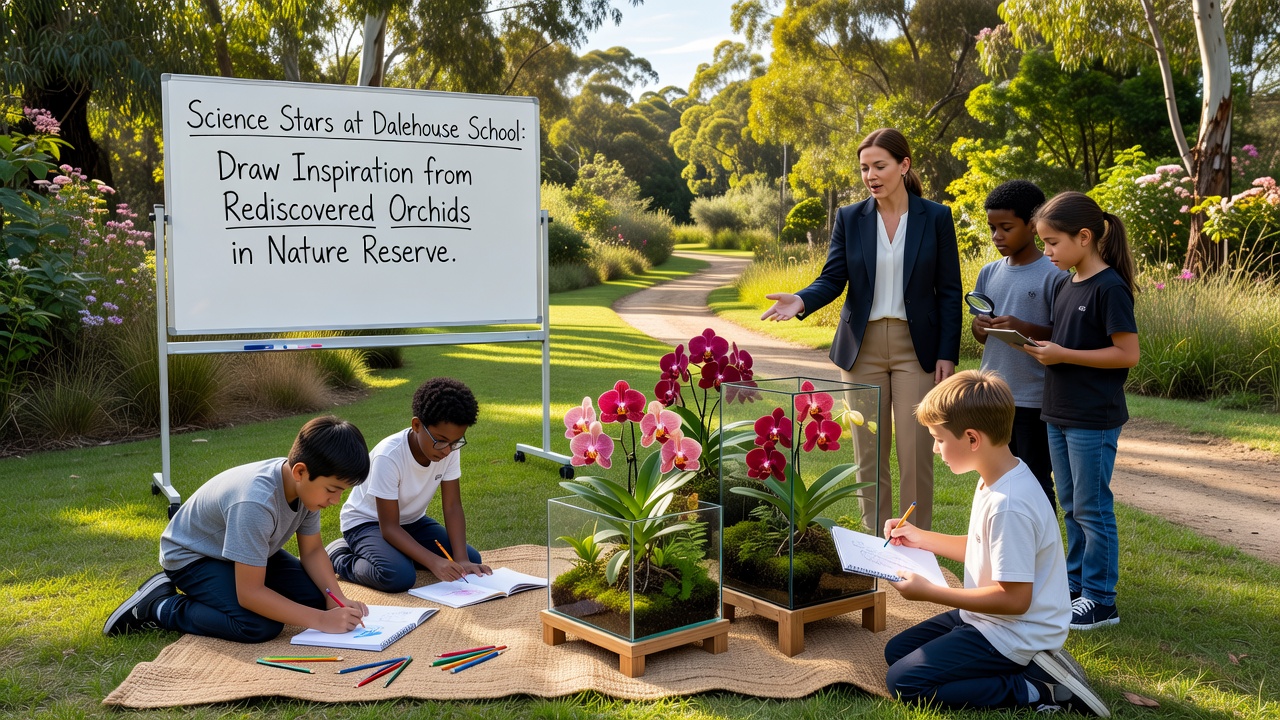
October 2026 marks the second annual student-led survey, scheduled to coincide with the post-flowering period when seed dispersal becomes observable, and participants will compare this year's counts against baseline numbers established earlier. The program draws on established protocols from similar educational partnerships elsewhere, which have demonstrated measurable gains in student retention of ecological concepts when fieldwork replaces textbook examples alone.
Broader Educational Connections
Science department records indicate that participation in the orchid project has increased enrollment in advanced biology modules by 18 percent over two years, and teachers attribute the rise to the tangible link between local discoveries and national curriculum topics on biodiversity. Students present their findings at regional science fairs, where judges have noted the integration of field data with laboratory replication as a distinguishing feature of the submissions.
Reserve managers have supplied additional context by sharing historical maps that show how land-use changes since the 1950s altered drainage patterns near the orchid sites, and this information helps students frame their current observations within longer timescales. External input comes from a Royal Botanic Gardens Kew report on UK orchid distributions, which supplies comparative data for species with similar habitat requirements, while a separate Environment and Climate Change Canada overview on temperate orchid conservation offers parallel examples from North American reserves.
Conclusion
The ongoing collaboration between Dalehouse School and the nature reserve demonstrates how localized biological finds translate into sustained educational activity, with student-collected datasets now contributing to the reserve's long-term management records. Continued monitoring through October 2026 and beyond will clarify whether the rediscovered populations remain stable under current conditions or require active intervention to maintain their presence.